
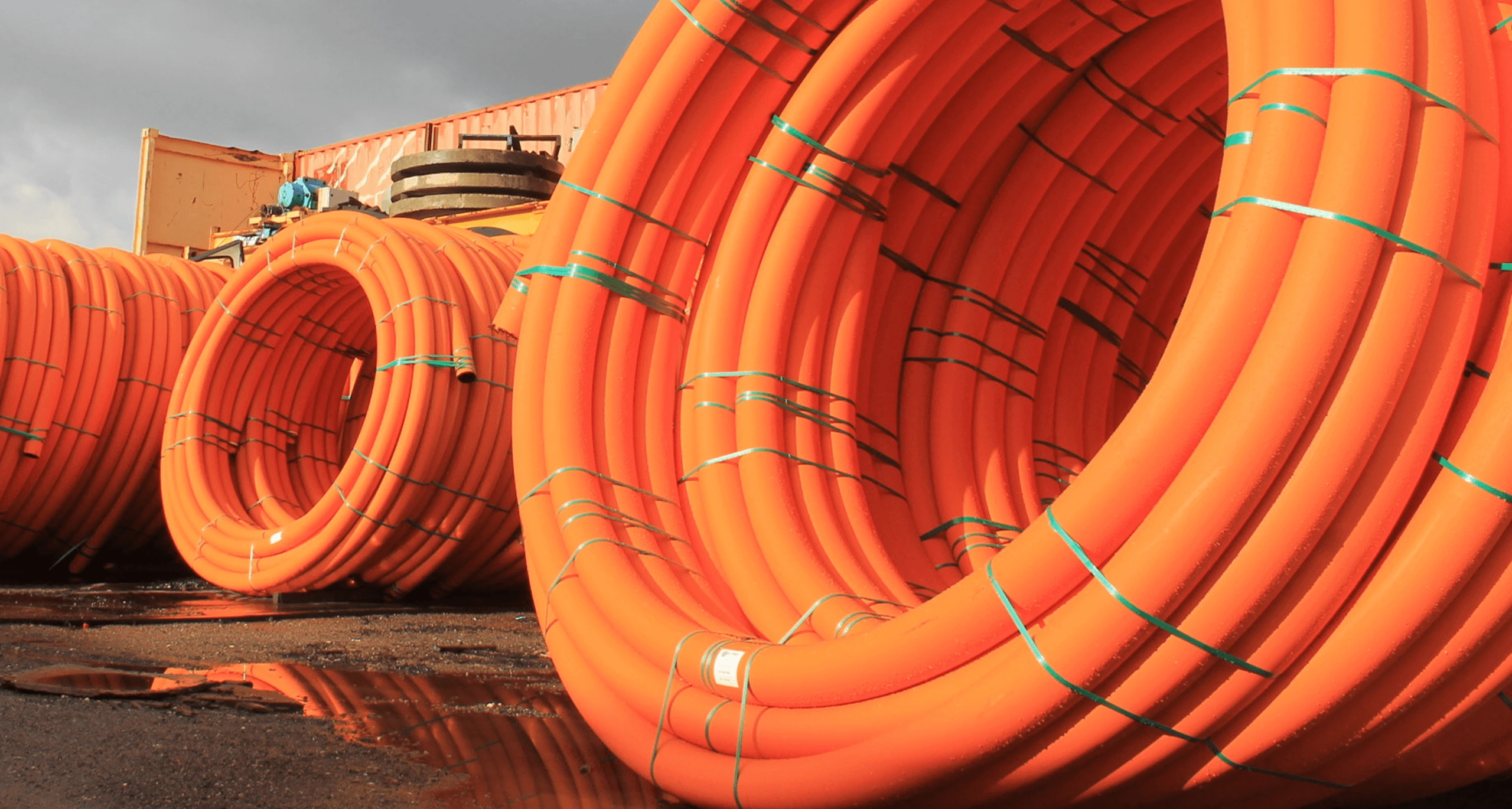
Selecting a reliable supplier for polyethylene pipes is one of the most important stages in the execution of construction, utility, water supply, gas distribution, and sewage system projects. The quality of the pipes has a direct impact on the project’s lifespan, reduction of maintenance costs, and prevention of technical failures. In this comprehensive guide, we thoroughly review all the key points you should consider when choosing a supplier or manufacturer.
1. Reviewing Production Standards and Holding Valid Certifications
The first step in choosing a suitable supplier is paying attention to production standards. Polyethylene pipes must be manufactured in accordance with national and international standards, such as Iran National Standard ISIRI 14427 and international standards including ISO 4427, ISO 21307, and DIN 8074.
A reputable manufacturer, in addition to complying with these standards, should also hold certifications such as ISO 9001 (Quality Management System). The presence of these certifications indicates that the production process, quality control, and raw materials are continuously monitored under standard procedures, ensuring consistent product quality.
2. Quality of Raw Materials and the Type of Polyethylene Grade Used
Raw materials play a key role in the strength, flexibility, and service life of pipes. When selecting a supplier, be sure to check which polyethylene grade is used, such as PE80, PE100, and PE100-RC.
Standard grades should be sourced from reputable petrochemical producers such as Jam Petrochemical, Amirkabir, Tabriz Petrochemical, or international companies like Borouge and SABIC. The use of recycled or low-quality materials directly affects resistance to pressure, cracking, and leakage.
A reliable supplier always provides complete information about the type of raw materials used, along with the material data sheet (Data Sheet).
3. Evaluating Production Capacity, Machinery, and Factory Technology
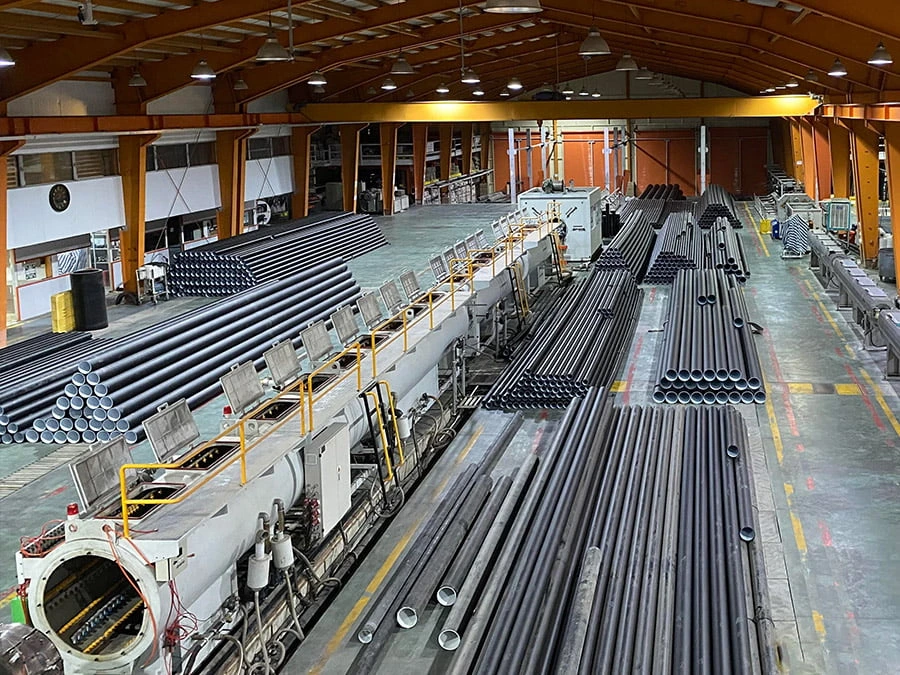
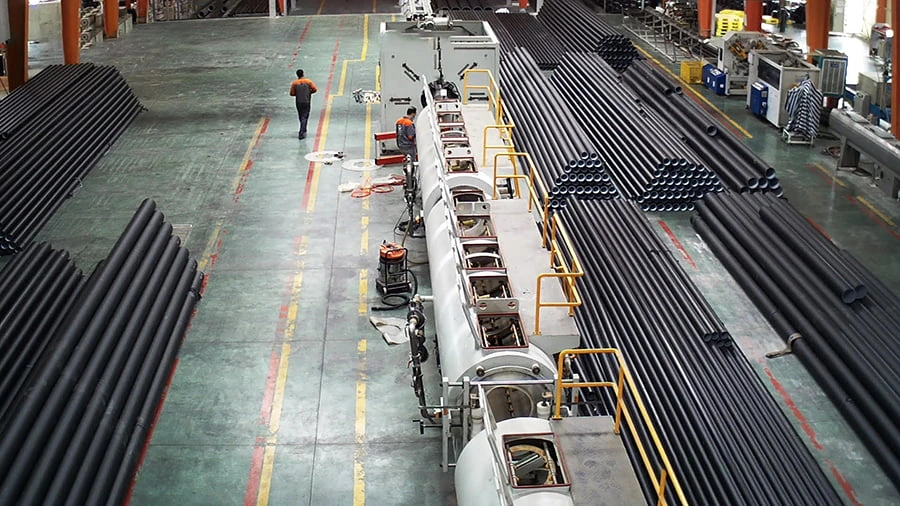
One of the key indicators of a trustworthy supplier is the use of modern production lines and advanced machinery. New-generation extruders make it possible to produce pipes with uniform wall thickness, smooth inner surfaces, and high mechanical strength.
A professional manufacturer must be capable of delivering the required order volume within the specified timeframe without compromising quality. If your project is large-scale, the supplier should clearly state its daily production capacity and raw material inventory
4. Availability of an Active Quality Control (QC) Unit and Test Reports
The presence of an active Quality Control (QC) unit is one of the most important criteria when selecting a supplier. A reliable supplier must perform the following tests on its products:
-
Hydrostatic pressure test
-
Impact resistance test
-
Wall thickness and uniformity inspection
-
Slow Crack Growth (SCG) test
-
Measurement of density and Melt Flow Index (MFI)
Providing official test reports is a sign of transparency and assurance of the product’s actual quality.
5. Work Experience, Completed Projects, and Customer Satisfaction
One of the best ways to choose a trustworthy supplier is to review its work history and previous projects. Companies that have been active in the polyethylene pipe manufacturing industry for many years usually have sufficient experience to deliver high-quality products that meet project requirements.
Reviewing past customer experiences, examining lists of major completed projects, and obtaining product samples will help you gain confidence in the manufacturer’s real performance.
6. Product Range and Ability to Provide Technical Consultation
A professional supplier should be able to recommend the most suitable pipe based on the project’s application. Product diversity in terms of:
-
Diameter (from 16 mm to 1200 mm)
-
Nominal pressure (PN6 to PN25)
-
Application type (water supply, gas distribution, sewage, drainage, agriculture)
indicates the company’s flexibility and supply capability. In addition, the technical team should be able to provide expert consultation on pipe selection, fittings, installation methods, and appropriate pressure ratings.
7. Transparent and Fair Pricing with an Official Warranty
Price is an important factor, but it should not be the primary selection criterion. Extremely low prices are usually a sign of using recycled materials or non-standard quality.
A reputable supplier should:
-
Offer transparent pricing
-
Provide a written warranty with the product
-
Clearly define the conditions for return or replacement of defective products
The presence of an official warranty demonstrates the manufacturer’s confidence in the quality of its products.
8. After-Sales Support and Fast Service
In water supply or gas distribution projects, time is critically important. The supplier must provide fast responsiveness and genuine support. In addition, they should be able to quickly supply the required pipes and fittings in emergency situations.
After-sales technical support is also essential for providing guidance on installation, welding, maintenance, and troubleshooting potential issues.
Conclusion
Choosing a reliable polyethylene pipe supplier is not limited to price or brand name alone. Important factors such as production standards, raw material quality, production capacity, the presence of a quality control unit, work experience, and after-sales support all play a vital role in making the right decision.
By considering these factors during the purchasing process, project risks are minimized, and you can confidently select the most suitable pipes with a long service life.