
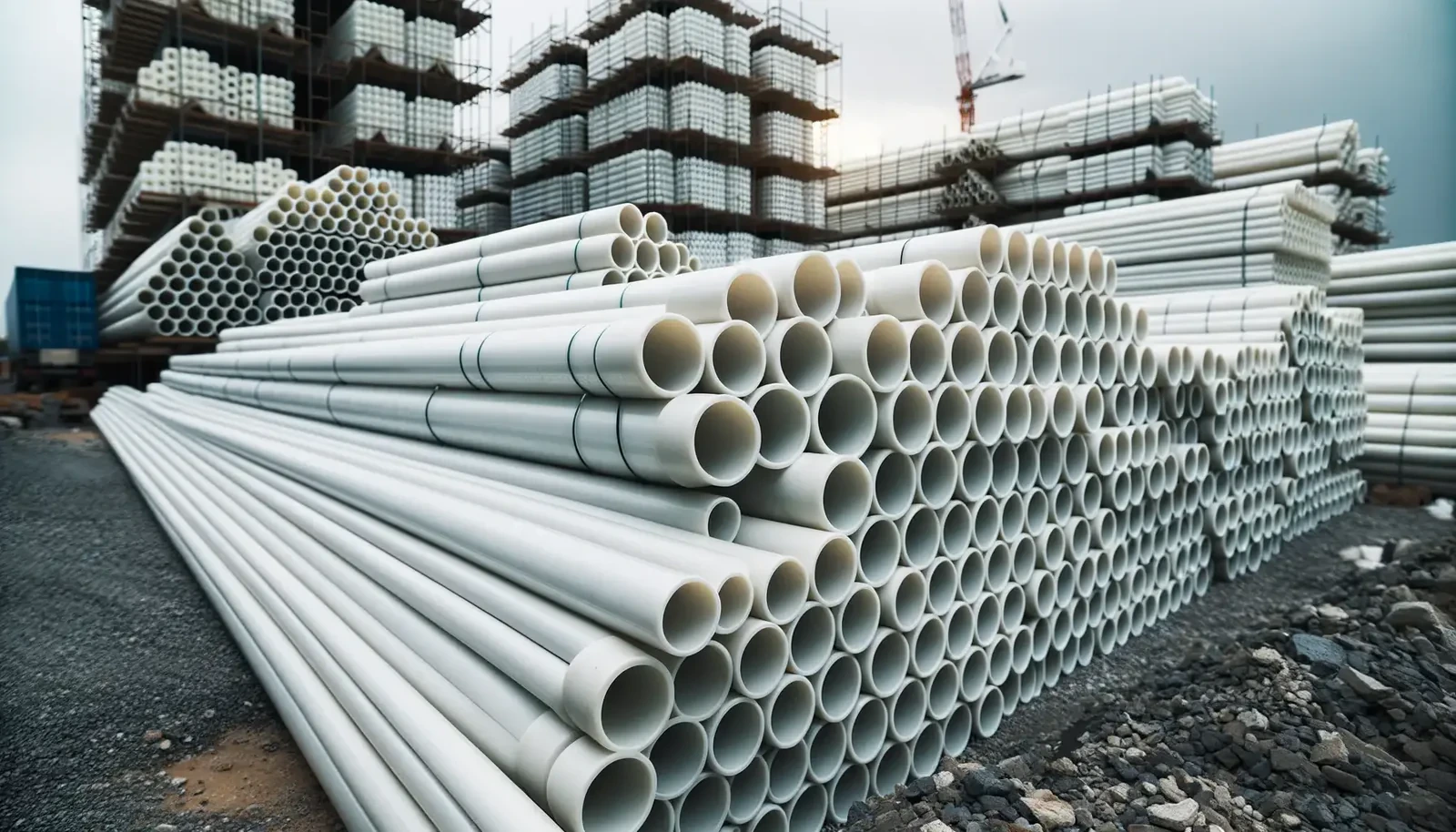
When it comes to water supply and gas distribution projects, choosing the right type of pipe is the most critical technical decision, as it can directly affect safety, service life, costs, and overall system performance. In recent years, polyethylene (HDPE) pipes have become the first choice of engineers, contractors, and utility companies.
In this article, we examine why polyethylene pipes are the best option for such projects and compare them with PVC and metal pipes to help you make a clearer and more informed final decision.
1. High Resistance to Pressure and Cracking
One of the main reasons for the superiority of polyethylene pipes is their high resistance to both internal and external pressures. PE100 and PE100-RC polyethylene grades are specifically designed to withstand high pressures and are ideal for main water and gas transmission lines.
Unlike PVC pipes, which are vulnerable to impact and environmental stresses, and metal pipes, which may suffer from cracking or rupture, polyethylene pipes have a flexible, stress-resistant structure with a much lower risk of failure.
2. Exceptional Flexibility and Easy Installation
Thanks to their high flexibility, polyethylene pipes can be easily installed along complex routes, in confined spaces, or across uneven terrain. This feature is a major advantage, especially in long-distance water and gas distribution networks.
In comparison:
-
PVC pipes have limited flexibility and become brittle in cold temperatures.
-
Metal pipes, due to their rigidity, require numerous fittings, which increases installation time and cost.
The high flexibility of PE pipes reduces the need for fittings, resulting in lower leakage risk, reduced installation costs, and faster project execution.
3. Excellent Chemical Resistance
In water and gas distribution projects, pipes are exposed to soil, moisture, chemicals, and even corrosive gases.
Polyethylene pipes offer excellent resistance to:
-
Acids
-
Alkalis
-
Salts
-
Moisture
-
Sulfates
-
Corrosive soil substances
In contrast, metal pipes are prone to rust and corrosion, while PVC pipes are less resistant to certain chemicals and UV radiation. This makes polyethylene a safer and more cost-effective option in the long term.
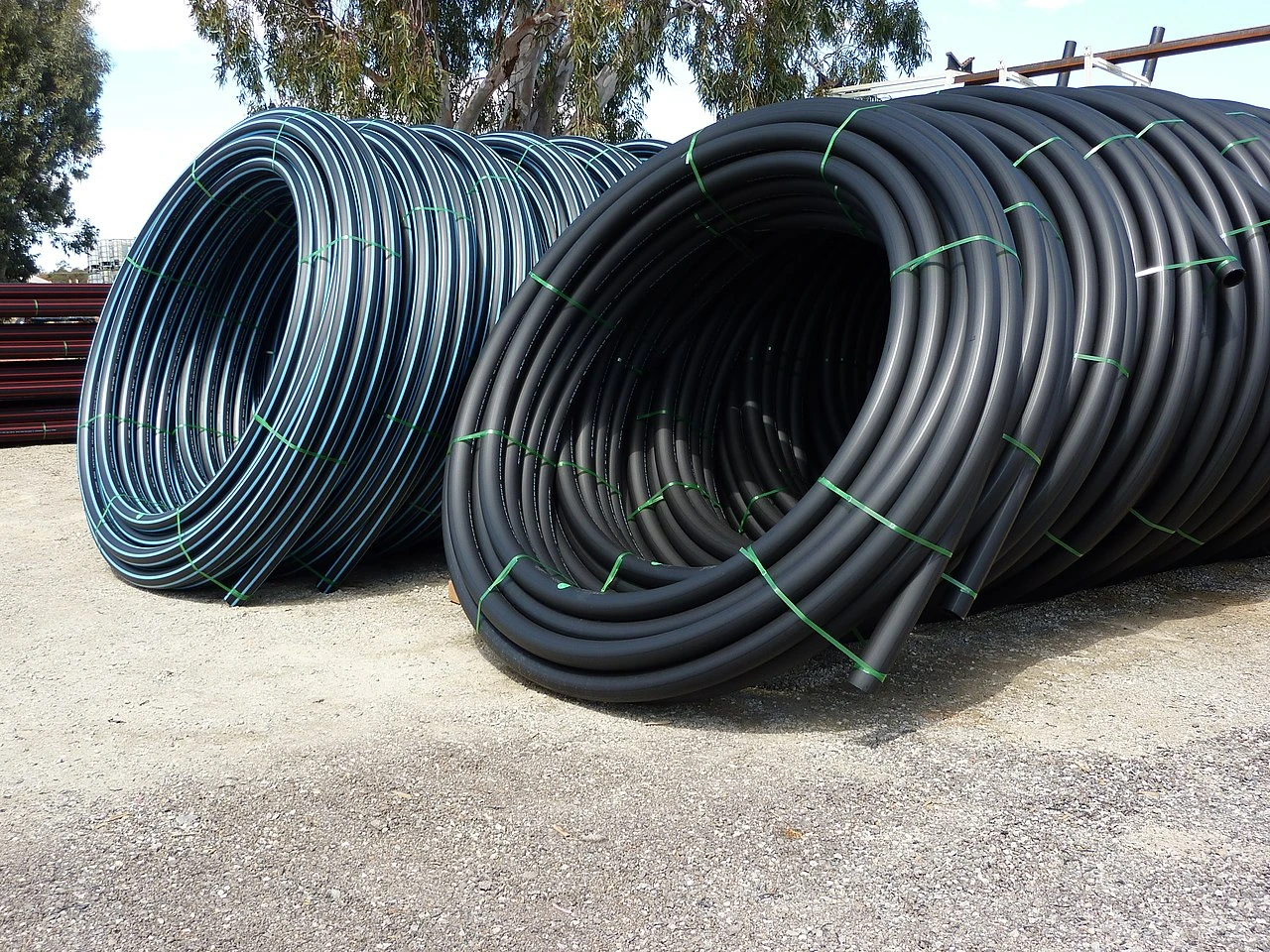
4. Very Long Service Life (Over 50 Years)
One of the major advantages of polyethylene pipes is their long service life. When manufactured and installed in accordance with standards, their average service life ranges from 50 to 75 years.
In comparison:
-
Metal pipes typically last 20–30 years.
-
PVC pipes have a service life of around 30–40 years, but they are vulnerable to low temperatures and high pressure.
The long lifespan of polyethylene pipes significantly reduces repair, maintenance, and replacement costs in large-scale projects.
5. Lightweight and Easy Transportation
Polyethylene pipes are much lighter than metal pipes and are even lighter than PVC pipes. This feature:
-
Increases transportation speed
-
Reduces handling and logistics costs
-
Requires less manpower and heavy equipment
In long-distance gas distribution projects or rural infrastructure developments, this advantage has a major impact on overall project costs.
6. Integral Welded Joints and Leakage Prevention
One of the main weaknesses of metal and PVC pipes is the use of threaded or adhesive joints, which are prone to leakage.
Polyethylene pipes, however, are joined using standard welding methods such as:
-
Butt fusion welding
-
Electrofusion welding
These methods create a fully integrated joint, meaning the joint has the same strength as the pipe body itself, with no weak points or risk of leakage. This is especially critical in gas distribution networks.
7. Full Compliance with Global Water and Gas Standards
Polyethylene pipes are manufactured in accordance with international standards such as:
-
ISO 4427 (Water supply)
-
ISO 4437 (Gas distribution)
-
DIN 8074
-
EN 12201
These standards ensure that the pipes can withstand the pressure, temperature, and environmental conditions required for critical infrastructure projects, whereas PVC and metal pipes often have more limitations in meeting gas distribution standards.
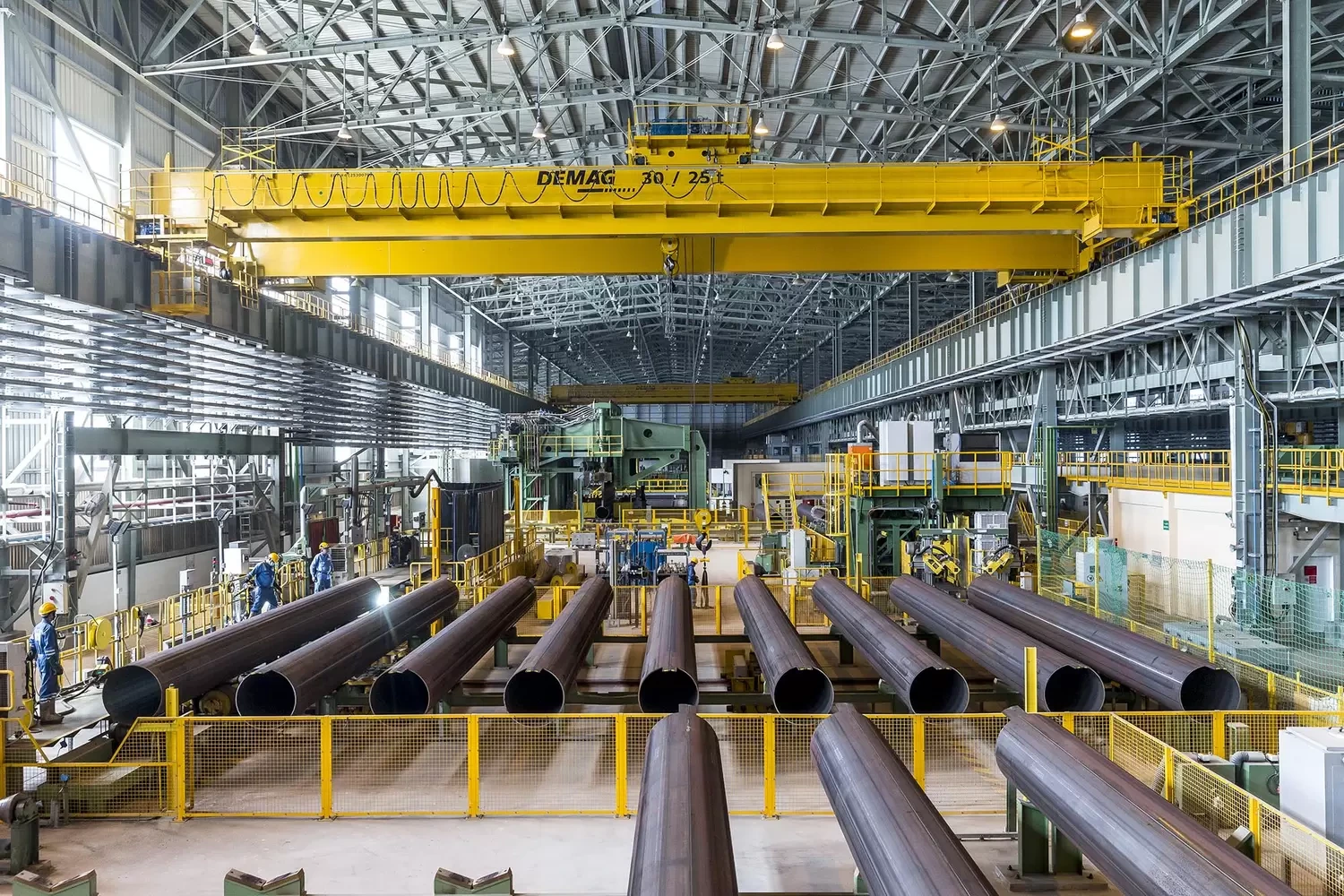
8. High Safety in Gas Distribution Projects
One of the most important reasons for the widespread use of polyethylene pipes in gas distribution is their outstanding safety performance.
Advantages of PE pipes in gas distribution projects include:
-
No spark generation
-
High impact resistance
-
Completely sealed, leak-free joints
-
Resistance to vibration and earthquakes
-
No corrosion or deterioration
In contrast, metal pipes are at risk of failure during earthquakes or severe impacts, and PVC pipes are not suitable for gas distribution at all.
9. Final Comparison: Polyethylene vs. PVC and Metal Pipes
Polyethylene (HDPE):
-
Excellent flexibility
-
High resistance to chemical substances
-
Suitable for both water and gas applications
-
Long service life
-
Fully integrated, leak-free joints
-
Lightweight and easy to install
PVC:
-
Brittle in cold temperatures
-
Not suitable for high pressure or gas applications
-
Low impact resistance
-
Lightweight and inexpensive
Metal Pipes:
-
Heavy
-
Prone to corrosion and rust
-
High installation costs
-
Higher heat resistance
-
Good pressure resistance (but not comparable to PE100)
Conclusion
“In water supply and gas distribution projects, polyethylene pipes outperform PVC and metal pipes in almost all key performance indicators.”